
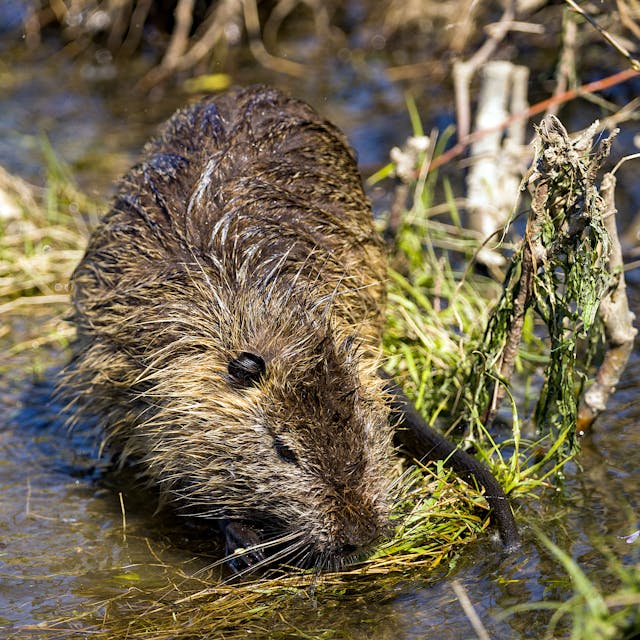

As a trapper in Ontario, having the right gear is essential for both efficiency and safety in the field. Whether you're a seasoned pro or just starting out, understanding the basics of trapping equipment and how to properly use it can make a significant difference in your success. Below, we outline some key pieces of equipment every Ontario trapper should consider adding to their toolkit.
1. Traps
The most crucial part of any trapping setup is, of course, the traps themselves. Different situations call for different types of traps. Here are some popular types:
- Body-Grip Traps: Great for capturing larger animals like beavers and raccoons. Ensure you follow Ontario regulations regarding sizes and set locations.
- Foot-Hold Traps: Effective for canines and felines. Look for padded traps to minimize injury to the animal.
- Cage Traps: Ideal for small mammals. They are also a humane option for live-capture.
2. Bait and Lures
Bait and lures are vital in attracting the animals you are targeting. Choosing the right bait based on the species you're trapping can lead to improved success rates.
- Natural Baits: Fresh fish, roadkill, or animal scraps can work well for carnivorous species.
- Commercially Prepared Lures: Available at trappers’ supply stores, these are designed to attract specific animals.
3. Tools and Accessories
Beyond traps, certain tools and accessories can enhance your trapping experience:
- Trap Tools: A trap setter and bait stick can make the setting process faster and safer.
- Knife: A sharp knife is a must for dispatching and skinning.
- Gloves: Keep your scent off the traps and stay clean when handling bait and caught animals.
4. Safety Gear
Trapping can come with its risks. To protect yourself in the field, consider investing in the following:
- Boots: Waterproof and insulated boots will keep your feet warm and dry.
- First Aid Kit: Always have one handy in case of accidents.
- Camo or Weather-Appropriate Clothing: Helps you blend into the environment while keeping you warm.
5. Local Regulations and Permits
As every trapper should know, being compliant with Ontario's laws is non-negotiable. Here’s how to stay informed:
- Ontario Ministry of Natural Resources and Forestry: Regularly check their website for updates on trapping regulations and required permits.
- Trapper Associations: Joining a local trapping club can help you network with experienced trappers who can offer advice and support.
Conclusion
Having the right gear is essential for successful and enjoyable trapping in Ontario. From selecting the right traps to understanding local regulations, each aspect contributes to making you a responsible and effective trapper. Always prioritize safety, respect for wildlife, and adherence to the law to ensure a sustainable trapping practice.